

Making Tāmaki Makaurau Auckland safer through an improved understanding of volcanic risk.
Auckland is built on a field of more than 50 volcanoes. DEVORA is the research collective working out where the risk lies, and helping you know what to do about it.
- 53 volcanoes across the field
- 1.8M+ people living on it
- 10% Roughly 10% chance of eruption within 50 years
DEVORA’s website covers scientific research about the Auckland Volcanic Field.
Here’s where to go if you want other information:

In a volcanic emergency, follow the instructions of Auckland Emergency Management.

To find out more about how to prepare for a volcanic crisis, visit www.getready.govt.nz.

To check the latest activity in the Auckland Volcanic Field go to https://www.geonet.org.nz/volcano/aucklandvolcanicfield.
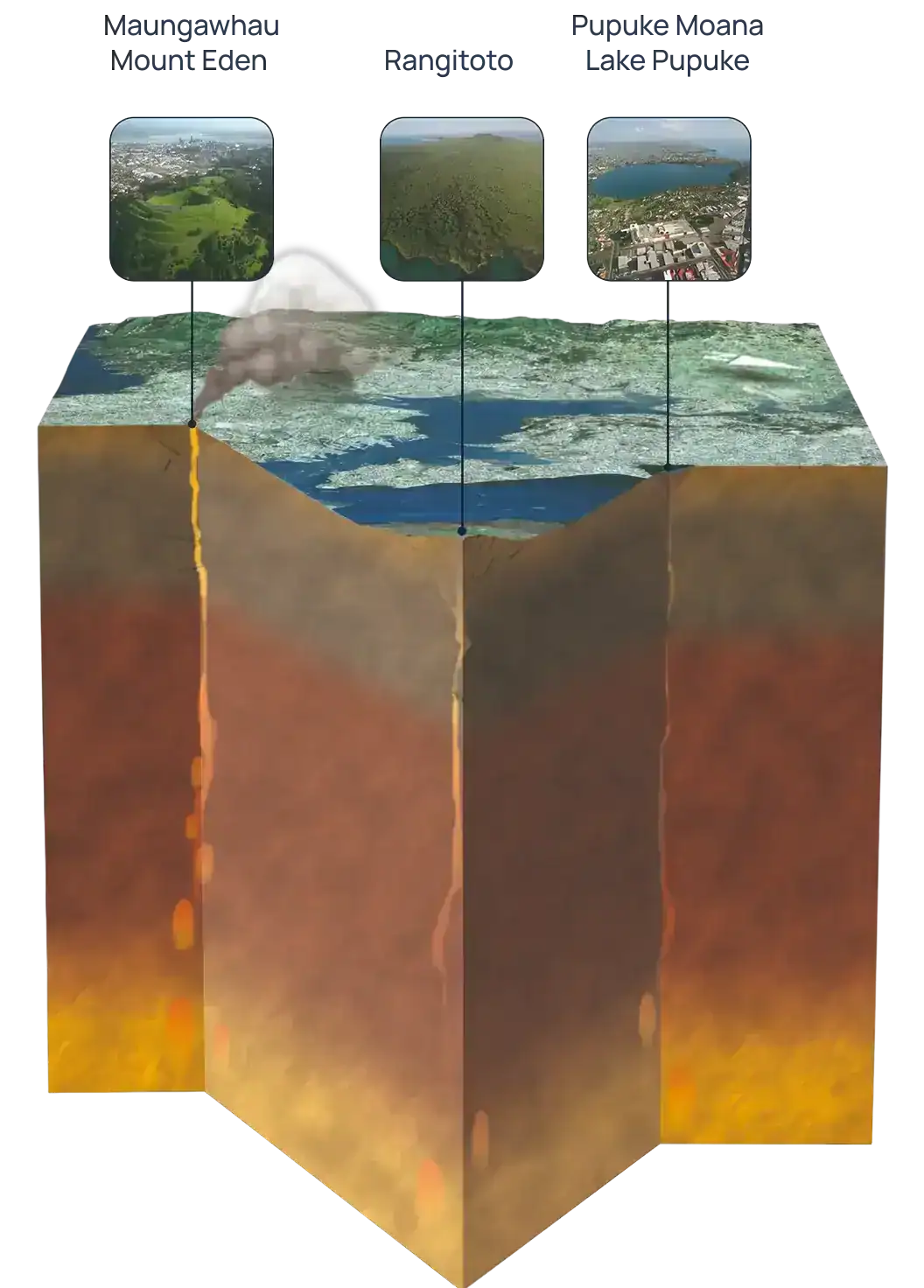
Auckland Volcanic Field
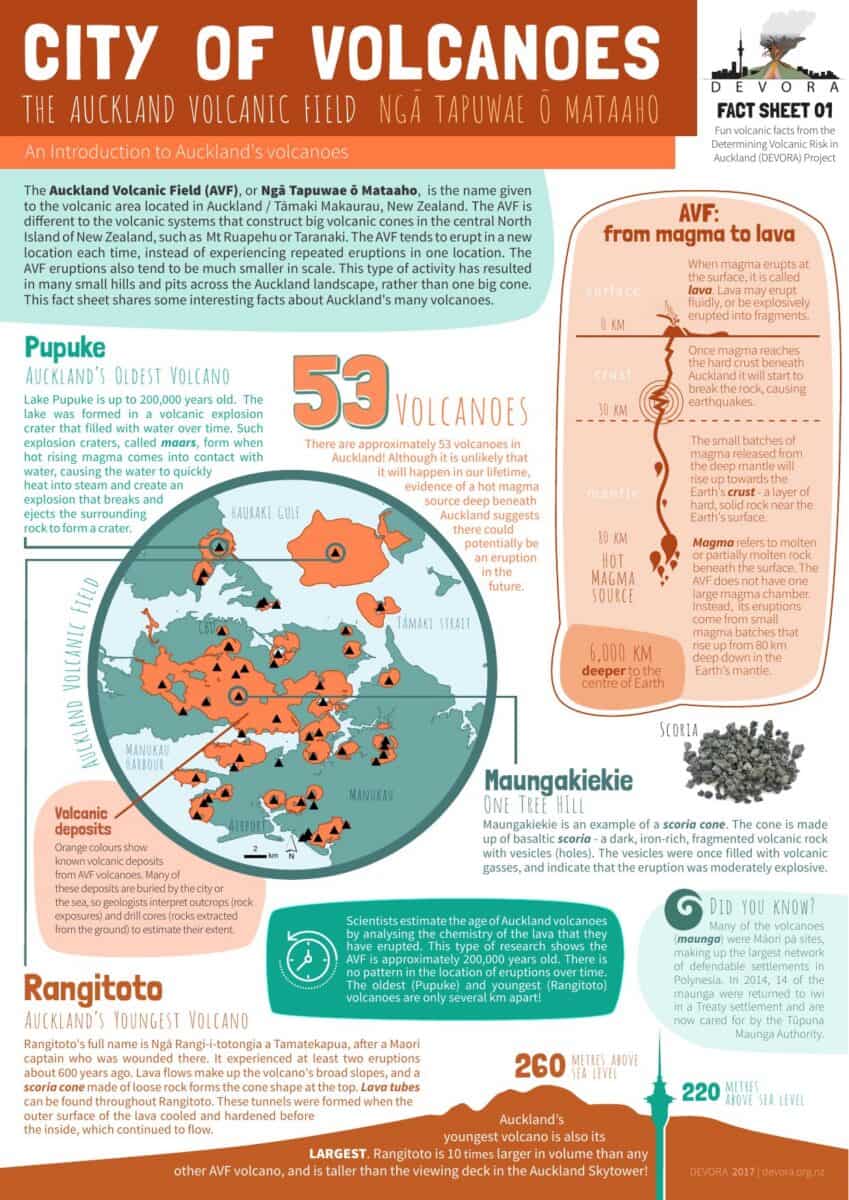
The Auckland Volcanic Field in the Te Ika-a-Māui North Island of Aotearoa New Zealand has a dramatic and fiery past.
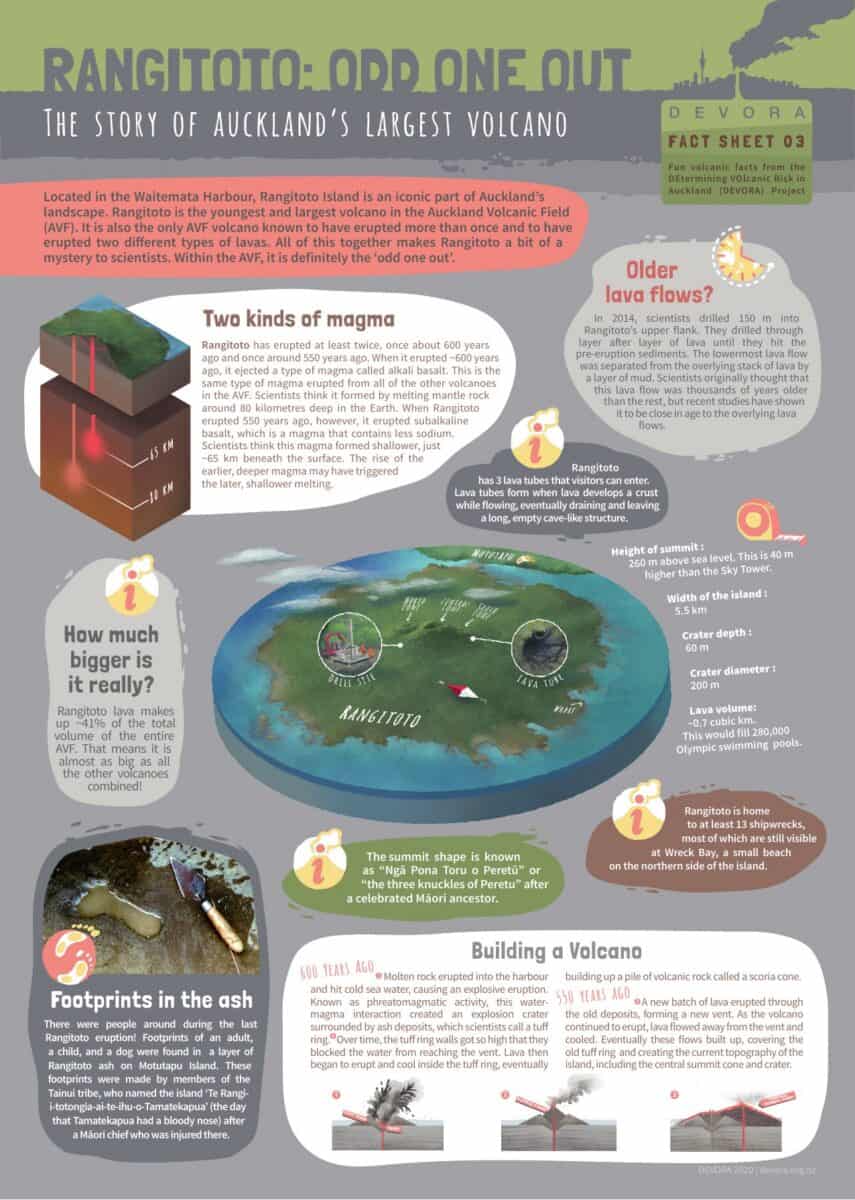
It stretches from Pupuke Moana / Lake Pupuke and Rangitoto Island in the north to Matukutūruru / Wiri Mountain in the south, and from Te Ahi-kā-a-Rakataura / Ōwairaka / Mt Albert in the west to Ōhuiarangi / Pigeon Mountain in the east.
Although it is unlikely to happen in our lifetime, research suggests there will be an eruption somewhere in the Auckland Volcanic Field in the future.
Why is this important?
The geology of Tāmaki Makaurau is special and unusual as the city is located on a distributed volcanic field.
The volcanic activity in the Auckland Volcanic Field is different from the activity in many other volcanic areas. Instead of most eruptions taking place at one central vent at the summit, eruptions in volcanic fields usually take place from a new vent in a new location. This means it is likely that Auckland’s next eruption will come in a new location, rather than at one of the existing volcanic cones. Future eruptions could create many different hazards, each with varying impacts.
As Tāmaki Makaurau provides over a third of New Zealand’s gross domestic product, is a major transport and economic hub, and is home to over 1.8 million people, a volcanic eruption would place the nation’s economy and the city’s infrastructure and population at risk.
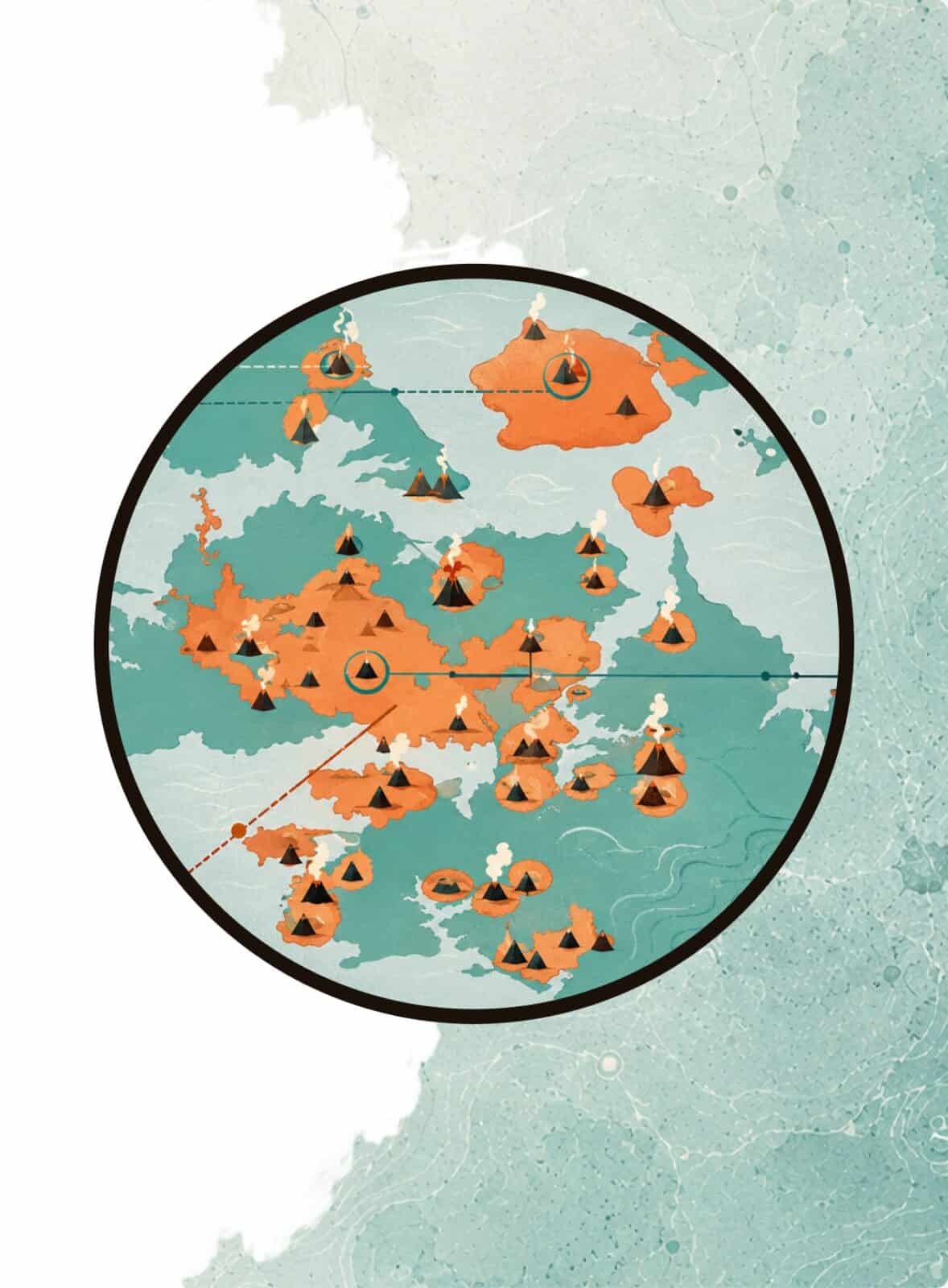
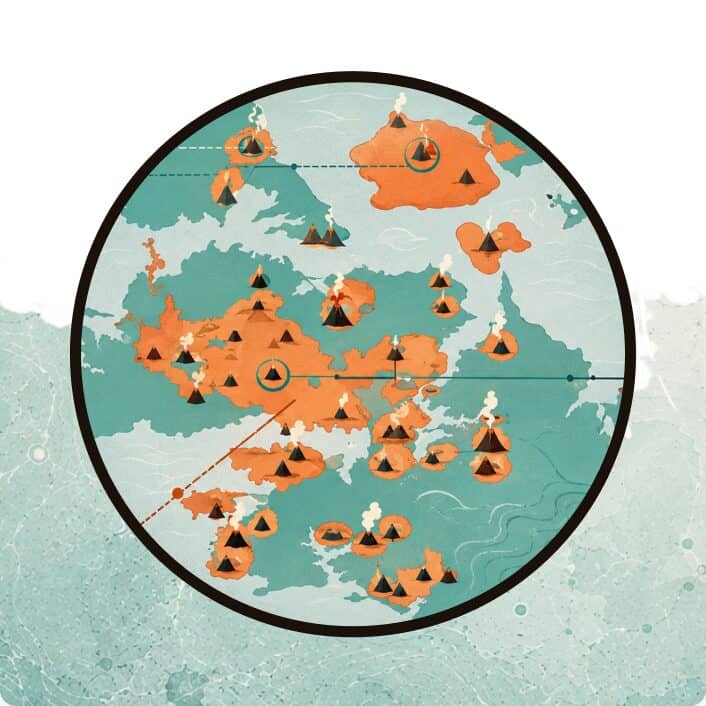
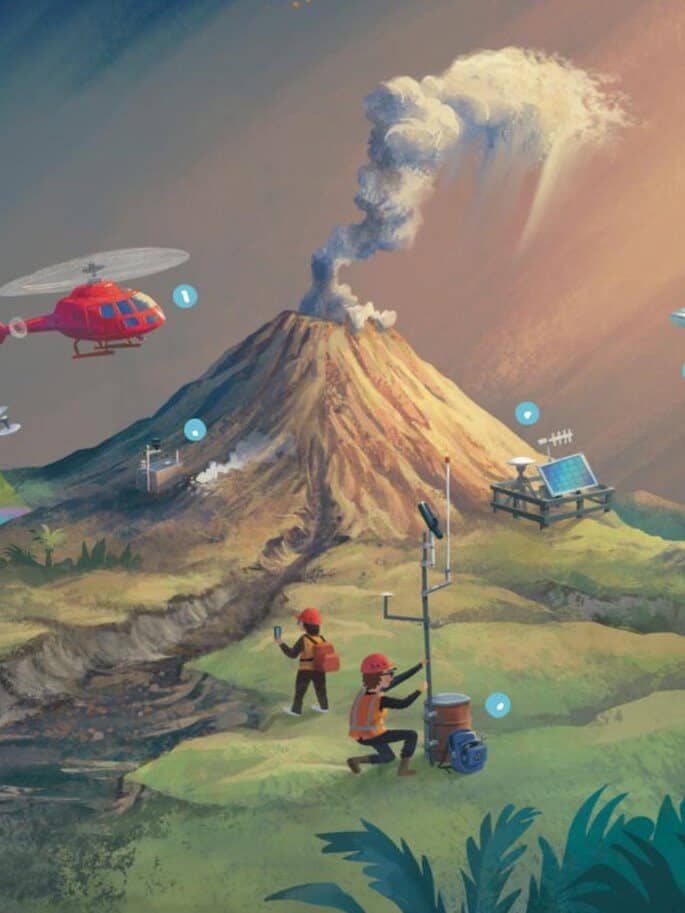
Who we are
We’re the research programme working out where the risk lies, and helping you know what to do about it.
What we do
Our key focus is on making Tāmaki Makaurau a safer place.
We as volcanologists and other scientific researchers work with experts across Aotearoa New Zealand and the world to recognise patterns and likely warning signals that would indicate an impending eruption in the Auckland region. While GeoNet monitors the Auckland Volcanic Field, they rely on research from DEVORA to provide up to date scientific knowledge to best interpret monitoring signals. We work with emergency managers to discuss what might happen if volcanic eruption signals are detected and the implications of any volcanic event.
We also study how distributed volcanic fields work in other parts of the world to see what could happen here.
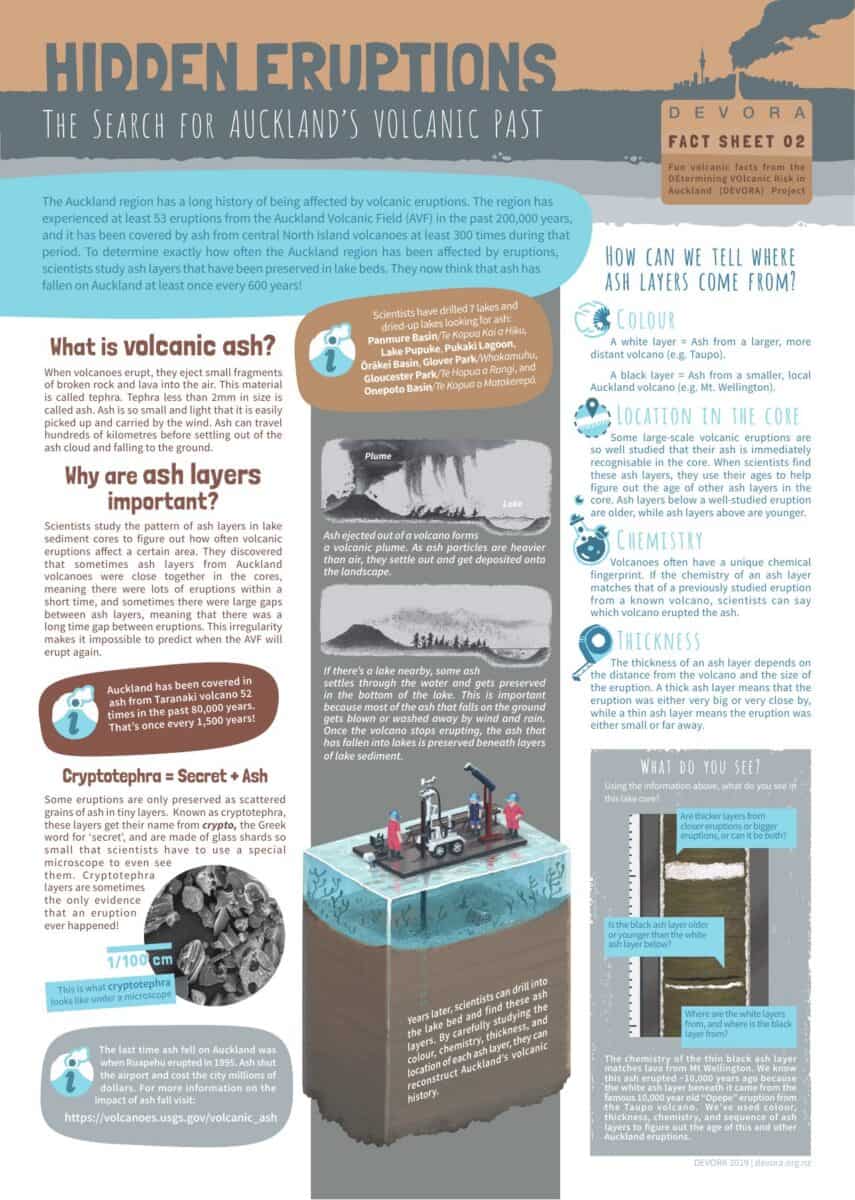
As part of understanding how different eruption sizes, scales, and processes would affect Tāmaki Makaurau and the rest of Aotearoa, we also compile information on Auckland’s volcanic history, geology, and the region’s built and social environment.
We are investigating the answers to four major questions:
- Why do we have eruptions in Auckland?
- What physically happens when a volcano erupts in Auckland?
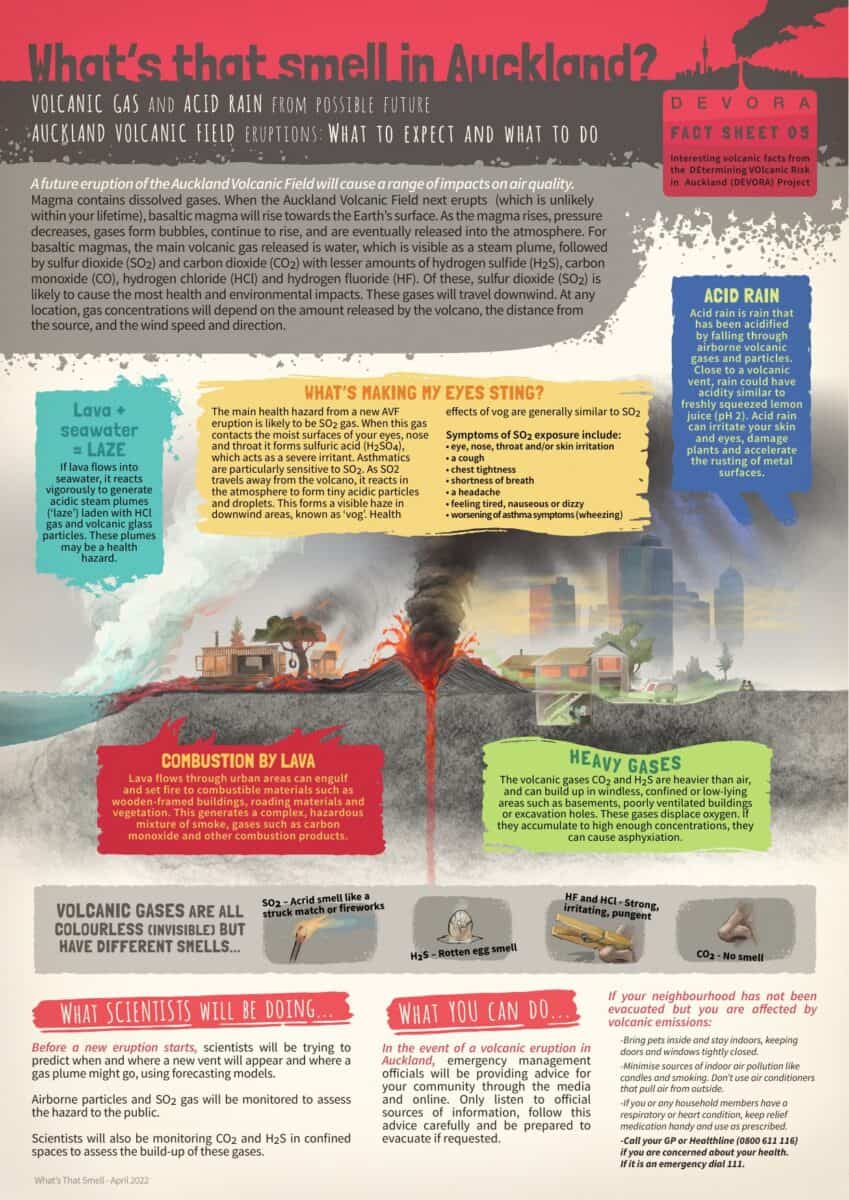
- What are the potential impacts of a future Auckland eruption?
- How can we communicate our science effectively?
A Fiery Future
New Zealand’s most populous city, Auckland, is located amidst a field of over fifty volcanoes.
When a major volcanism event occurs, what might it be, and how will Aucklanders cope?
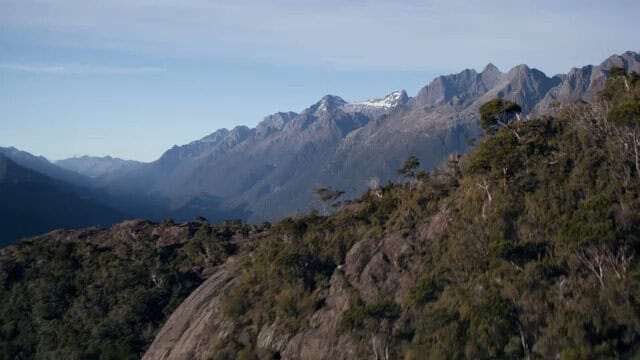
Check out this video about the Auckland Volcanic Field and DEVORA’s research by Moving Pictures.
News and events
From the programme
-
 Read more: Presentations from the 17th Annual DEVORA forum 2024
News
Presentations from the 17th Annual DEVORA forum 2024
-
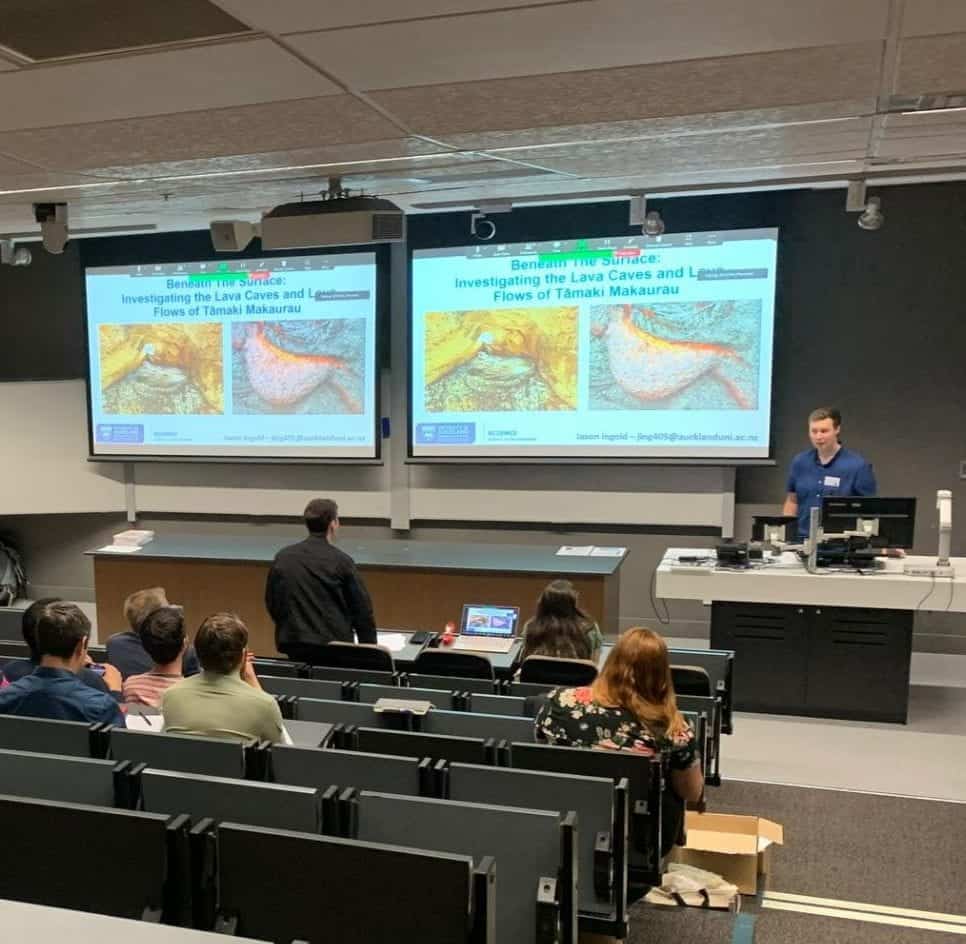 Read more: Presentations from the 16th Annual DEVORA forum 2023
News
Presentations from the 16th Annual DEVORA forum 2023
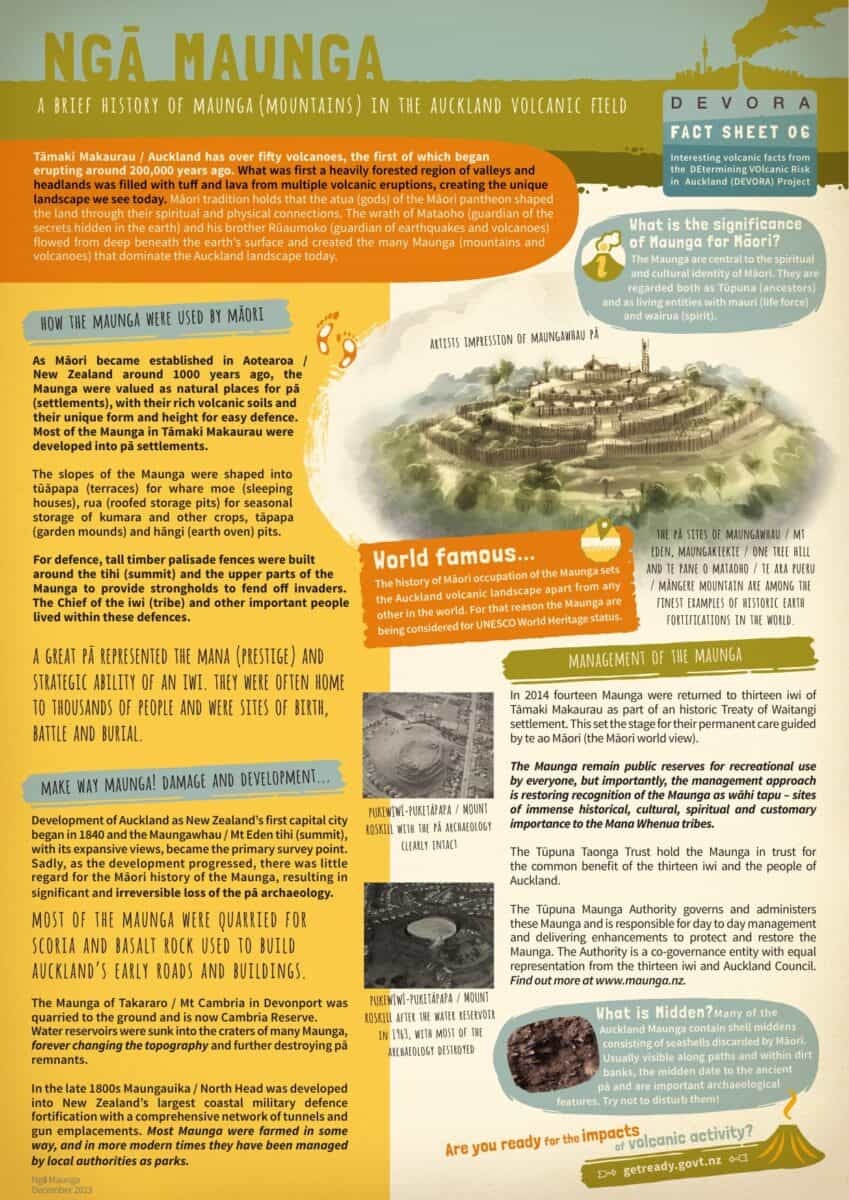
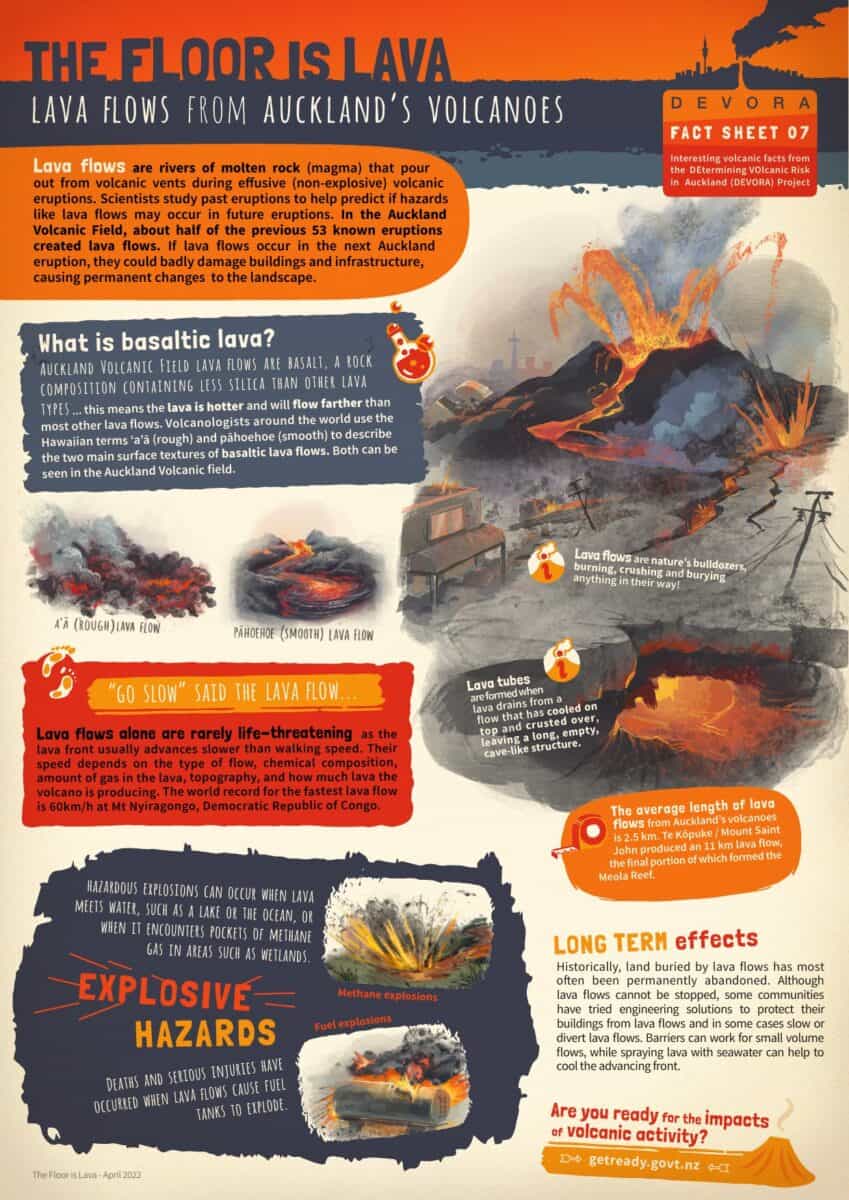
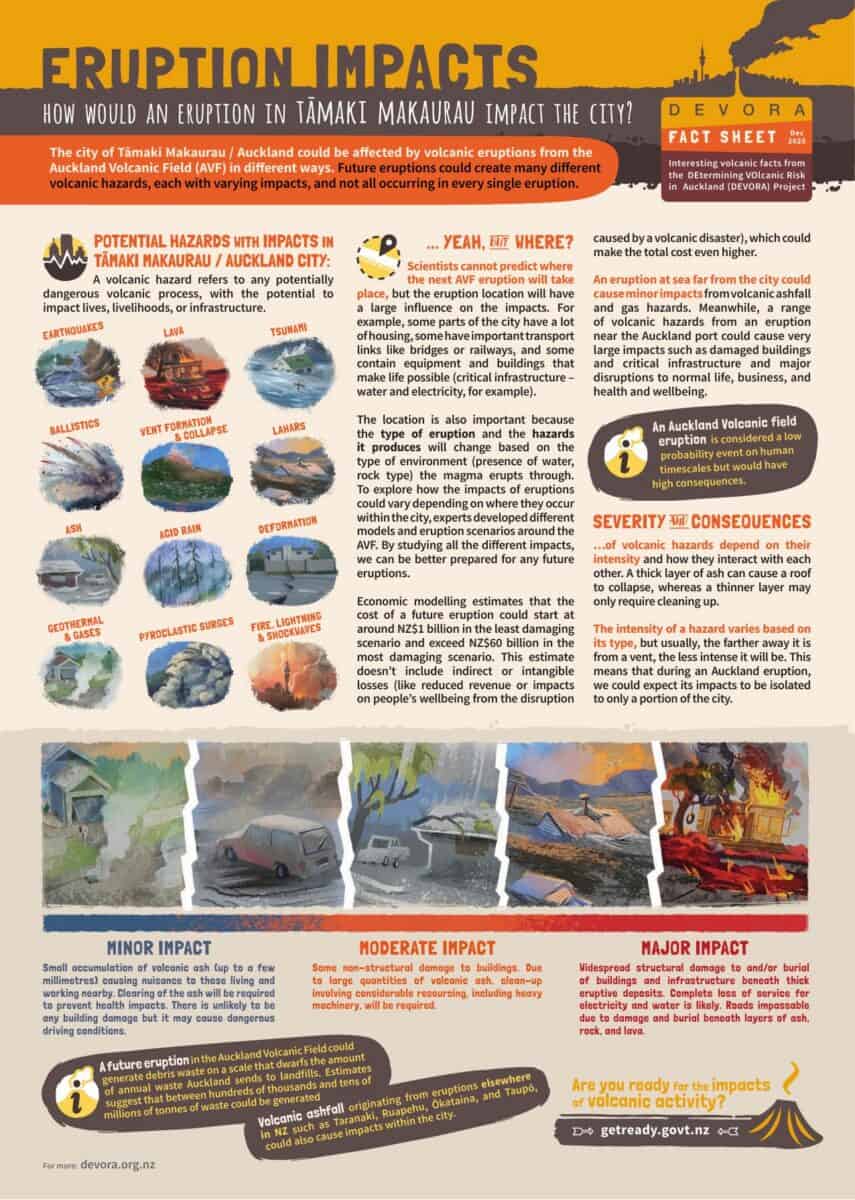
Fact sheets
Plain-language explainers
Resource Library


